Single Service

Sciatica

3

Welcome to Klinica Physiotherapy: Your Guide to Sciatica Relief

Are you suffering from the debilitating pain and discomfort of sciatica? Look no further! Our dedicated team of physiotherapy experts is here to provide you with the information, guidance, and effective treatment strategies to help you overcome sciatica and reclaim your quality of life. Whether you’re experiencing mild discomfort or severe pain, we are committed to supporting you every step of the way.

What is Sciatica?
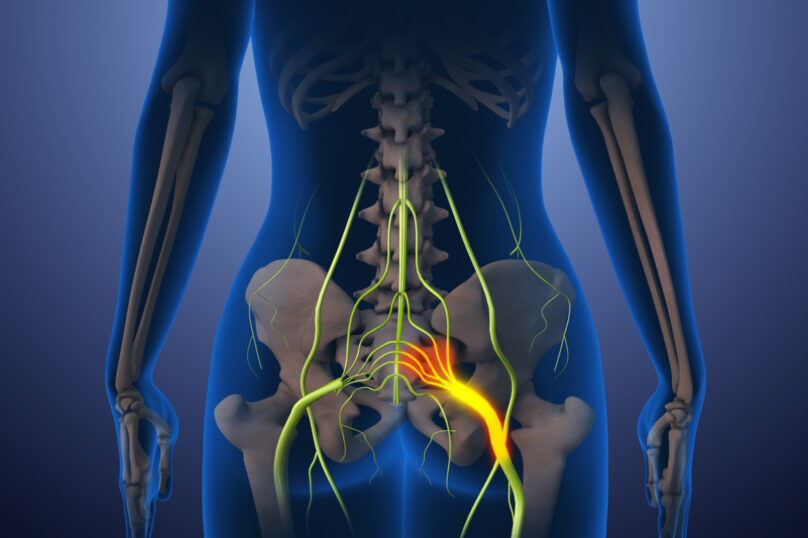
Sciatica refers to the radiating pain that originates from the sciatic nerve, which is the longest nerve in the body. The sciatic nerve runs from your lower back, through the hips, buttocks, and down each leg. When this nerve becomes compressed or irritated, it can result in a range of symptoms, including:
Sharp or shooting pain in the lower back, buttocks, and legs.
Numbness, tingling, or weakness in the affected leg.
Difficulty in standing, walking, or sitting for prolonged periods.
Pain exacerbated by certain movements, such as bending or twisting.
sciatica-lower-back-pain
sciatica-300x300

How Can Physiotherapy Help?

Physiotherapy is a non-invasive, evidence-based approach to treating sciatica. Our skilled physiotherapists specialize in diagnosing the root cause of your sciatic pain and developing a personalized treatment plan tailored to your unique needs.

Here’s how physiotherapy can help:

Assessment and Diagnosis

Our experienced physiotherapists will conduct a thorough assessment to determine the underlying cause of your sciatica. This may involve a comprehensive evaluation of your medical history, physical examination, and possibly diagnostic imaging tests. This information will guide us in designing the most effective treatment plan for you.

Pain Management

Our primary goal is to alleviate your pain and provide immediate relief. Through various manual therapy techniques, such as soft tissue mobilization, joint mobilization, and gentle stretching, we can reduce muscle tension, release compressed nerves, and decrease inflammation, helping to alleviate your pain and discomfort.

Exercise Therapy

We will develop a customized exercise program that focuses on strengthening the muscles supporting your spine, improving flexibility, and promoting proper posture and body mechanics. These exercises will not only relieve your current symptoms but also help prevent future sciatic flare-ups.

Education and Self-Management

Understanding your condition is crucial for successful recovery. Our team will educate you about the underlying causes of
sciatica, teach you proper body mechanics, and provide valuable self-management strategies to prevent recurrences. We believe in empowering you to take an active role in your recovery journey.

Lifestyle Modifications

Certain lifestyle factors, such as poor posture, prolonged sitting, and lack of physical activity, can contribute to sciatic pain. We will guide you on making necessary modifications to your lifestyle to promote spinal health, reduce pressure on the sciatic nerve, and improve your overall well-being.

Long-Term Rehabilitation

Our commitment to your well-being extends beyond pain relief. We will work with you to ensure a full recovery and prevent future episodes of sciatica. Our physiotherapists will guide you through progressive rehabilitation exercises, monitor your progress, and provide ongoing support as you regain your strength and mobility.
Don’t Let Sciatica Control Your Life – Take Action Today! At Klinica, we und

Don’t Let Sciatica Control Your Life – Take Action Today

At Klinica, we understand the physical and emotional toll that sciatica can have on your life. Our skilled team of physiotherapists is dedicated to helping you overcome sciatic pain and regain your mobility, function, and overall quality of life.

Take the first step towards a pain-free life by scheduling an appointment with our experienced physiotherapists. Together, we’ll develop a personalized treatment plan that addresses your specific needs and goals. Contact us or Book Online

FAQ

What is sciatica and what causes it?
Sciatica is pain travelling along the path of the sciatic nerve, from the lower back through the buttock and down the back of the leg. It is a symptom rather than a diagnosis, and is usually caused by a disc bulge, spinal narrowing or muscle-related compression irritating a nerve root in the lower back.
Is sciatica pain in the back or the leg?
Sciatica is leg pain. It arises from a problem in the lower back, but the pain travels along the sciatic nerve into the buttock, the back of the thigh and often the calf and foot. Many people have back and leg pain together, and it is the leg symptoms that identify the problem as sciatica rather than back pain alone.
Can physiotherapy help sciatica?
Yes. Physiotherapy is a first-line treatment for sciatica. Assessment identifies which movements ease and which provoke the nerve pain, and treatment uses that to build a programme of specific movements, core and hip strengthening and hands-on techniques, alongside advice on sitting, lifting and sleeping positions.
What does sciatica physiotherapy at Klinica involve?
Your Klinica physiotherapist tests nerve sensitivity, reflexes, strength and lumbar movement to identify the level involved and rule out anything serious. Treatment then combines manual therapy for the lower back and hip, nerve mobility work, graded strengthening, and specific advice on the postures and loads that are keeping the nerve irritated.
Should I rest or stay active with sciatica?
Stay as active as the pain allows. Prolonged bed rest slows recovery and increases stiffness and deconditioning. Walking, gentle movement and frequent changes of position are usually better tolerated than sitting still for long periods, which loads the lower back discs and often provokes leg pain.

When is sciatica a medical emergency?
Seek immediate medical help if you develop numbness around the groin, buttocks or inner thighs, loss of bladder or bowel control, difficulty starting to urinate, or rapidly worsening weakness in both legs. These can indicate cauda equina syndrome, which needs emergency assessment. Go to A&E rather than waiting for a physiotherapy appointment.
Do I need an MRI scan before starting sciatica physiotherapy?
Usually not. Scans are not needed for most sciatica, because imaging findings often do not match symptoms and early treatment is the same either way. A scan becomes useful if symptoms fail to improve, if weakness is progressing, or if surgery or an injection is being considered.