
Single Service

Tennis Elbow

group_373

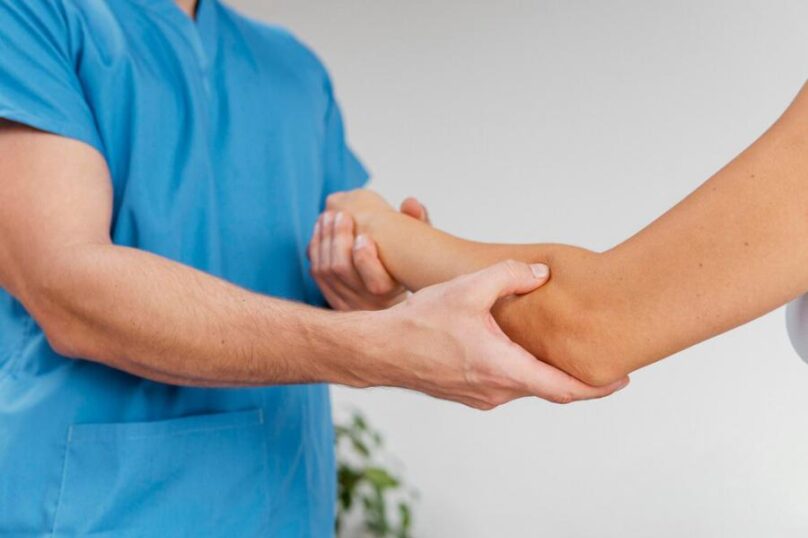
Welcome to Klinica Physiotherapy, we are dedicated to providing comprehensive information and effective treatments for tennis elbow, a common condition that causes pain and discomfort in the elbow and forearm. Our team of experienced physiotherapists is here to help you recover and get back to your active lifestyle.

What is Tennis Elbow?

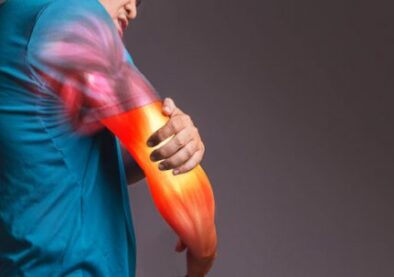
Tennis elbow, also known as lateral epicondylitis, is a condition characterized by pain and inflammation on the outer part of the elbow. Despite its name, tennis elbow can affect anyone, not just tennis players. It often occurs due to repetitive motions of the forearm, leading to overuse and strain on the tendons that attach to the lateral epicondyle (bony bump on the outer side of the elbow).

Symptoms of Tennis Elbow The most common symptom of tennis elbow is pain and tenderness on the outer part of the elbow. This pain may radiate down the forearm and can worsen with certain movements, such as gripping, lifting, or twisting motions. Other symptoms include difficulty in extending the wrist fully, weakness in the affected arm, and discomfort when performing everyday activities.

How Physiotherapy Can Help Physiotherapy plays a crucial role in the management and rehabilitation of tennis elbow. Our skilled physiotherapists will conduct a thorough assessment to understand your specific condition and create a personalized treatment plan tailored to your needs. The primary goals of physiotherapy for tennis elbow are to alleviate pain, reduce inflammation, promote healing, and restore full function and mobility to the affected arm.

Treatment Approaches

Manual Therapy:

Our physiotherapists may use hands-on techniques such as massage, joint mobilization, and soft tissue manipulation to improve blood circulation, reduce muscle tension, and promote tissue healing.

Therapeutic Exercises:

We will guide you through a series of exercises to strengthen the muscles surrounding the elbow and forearm. These exercises help to improve flexibility, endurance, and stability, aiding in the recovery process.

Stretching Techniques:

Specific stretches targeting the forearm muscles and tendons can help alleviate pain, increase flexibility, and promote healing.

Electrotherapy:

Modalities like ultrasound, laser therapy, or electrical stimulation may be utilized to reduce pain and inflammation, enhance tissue healing, and stimulate muscle function.

Ergonomic Assessment:

Our physiotherapists can provide guidance on proper ergonomics and body mechanics, helping you make necessary adjustments in your daily activities to minimize strain on the affected arm.

Prevention and Self-Care To prevent tennis elbow or its recurrence, it’s essential to take certain precautions. Our physiotherapists can educate you on proper warm-up exercises, equipment modifications, and techniques to minimize stress on the elbow during sports or repetitive tasks. They can also provide advice on self-care strategies like rest, ice or heat application, and the use of braces or supports to aid in the healing process.

0x0-dirsegimizi-vurdugumuzda-neden-elektrik-carpmis-gibi-hissederiz-sebebini-duyunca-vucudunuza-bir-kez-daha-hayra-1725796603350
tennis-elbow-1-539x303

Why Choose Us

Experienced Physiotherapists: Our team consists of highly trained and experienced physiotherapists specializing in the treatment of tennis elbow.
Individualized Treatment: We believe in personalized care and will tailor our treatment approach to meet your unique needs and goals.
Evidence-Based Practice: Our treatments are based on the latest research and evidence, ensuring the most effective and up-to-date care.
Comprehensive Approach: We take a holistic approach to rehabilitation, addressing not just the symptoms but also the underlying causes to promote long-term recovery.

Don’t let tennis elbow hold you back from enjoying your favourite activities. Contact us or Book Online to schedule an appointment and take the first step towards a pain-free and active life!

FAQ

What is tennis elbow?
Tennis elbow, or lateral epicondylitis, is pain and tenderness on the outer side of the elbow caused by overload of the tendons that attach there. Despite the name it is mostly caused by repetitive gripping, lifting and twisting at work rather than by racket sport. Pain typically worsens with gripping and can radiate into the forearm.
What does tennis elbow feel like?
Tennis elbow causes pain and tenderness over the bony point on the outer side of the elbow, often spreading down into the top of the forearm. It is typically provoked by gripping, lifting a kettle or mug, shaking hands, turning a door handle, or lifting with the palm facing down. The elbow joint itself usually moves freely.
Can physiotherapy treat tennis elbow without surgery or injections?

Yes, and physiotherapy is the recommended first-line treatment. A graded tendon loading programme, combined with hands-on treatment and changes to how you grip and lift, resolves most cases. Steroid injections give short-term relief but are associated with worse outcomes at one year, and surgery is reserved for cases that fail months of proper rehabilitation.
What does tennis elbow physiotherapy at Klinica involve?
Your Klinica physiotherapist assesses grip strength, wrist and elbow movement and the neck and shoulder, since referred pain can mimic tennis elbow. Treatment combines a progressive tendon loading programme with manual therapy, soft-tissue work, stretching and a review of how you use the arm at work or in sport.
Is shockwave therapy used for tennis elbow?
Shockwave therapy is used for tennis elbow that has not responded to a properly progressed tendon loading programme. It delivers acoustic pulses into the tendon to stimulate its repair response, and is given as a course of sessions spaced about a week apart. It works alongside continued strengthening rather than replacing it.
How much does private tennis elbow treatment cost?
At Klinica Chiswick an initial consultation is £60 and each follow-up treatment is £55, with a 10% discount for NHS card holders, students and senior citizens. Tennis elbow is normally treated across a series of appointments rather than one, and your physiotherapist will estimate the likely number at the assessment. Fees for the Ashford, Redhill and Canary Wharf clinics are on their own fees pages.
Should I rest my arm or keep using it with tennis elbow?
Complete rest is not advised, because tendons weaken without load and pain usually returns as soon as you resume activity. The aim is to reduce the specific movements that provoke sharp pain — heavy gripping, twisting, palm-down lifting — while continuing to load the tendon in a controlled way through prescribed exercise.
How is tennis elbow different from golfer’s elbow?
Both are tendon overload problems at the elbow, but they affect opposite sides. Tennis elbow causes pain on the outer elbow and is provoked by gripping and bending the wrist backwards. Golfer’s elbow, or medial epicondylitis, causes pain on the inner elbow and is provoked by bending the wrist forwards and gripping.